
Hello World应用以及部署
1. Hello World应用以及部署构建第一个ArkTS应用(Stage模型)
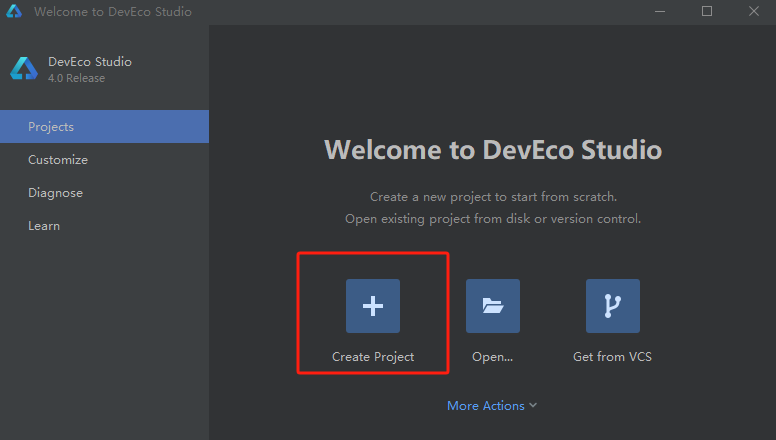
1)若首次打开DevEco Studio,请点击Create Project创建工程。如果已经打开了一个工程,请在菜单栏选择File > New > Create Project来创建一个新工程。
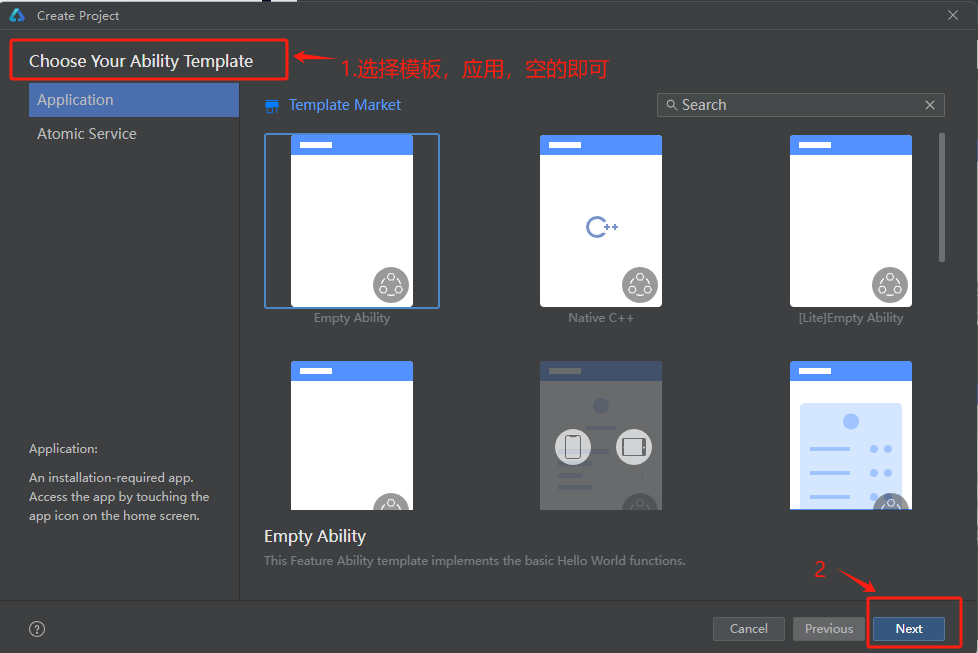
2)选择Application应用开发(本文以应用开发为例,Atomic Service对应为原子化服务开发),选择模板“[OpenHarmony]Empty Ability”,点击Next进行下一步配置
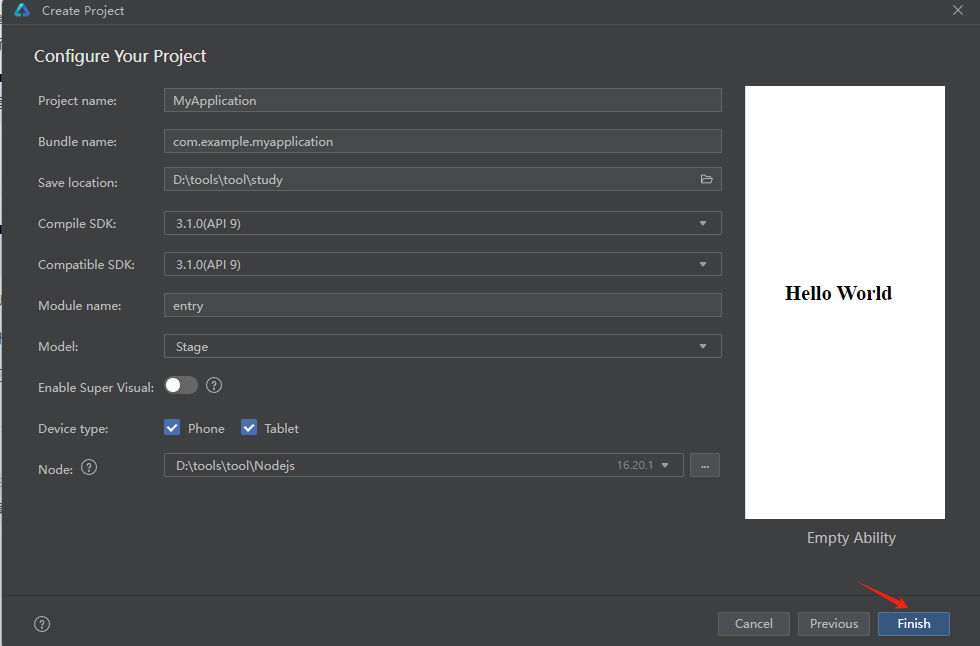
3)进入配置工程界面,修改一下工程存放的位置,其他参数保持默认设置即可,点击【\ finish\ 】。
其中Node用来配置当前工程运行的Node.js版本,可选择使用已有的Node.js或下载新的Node.js版本
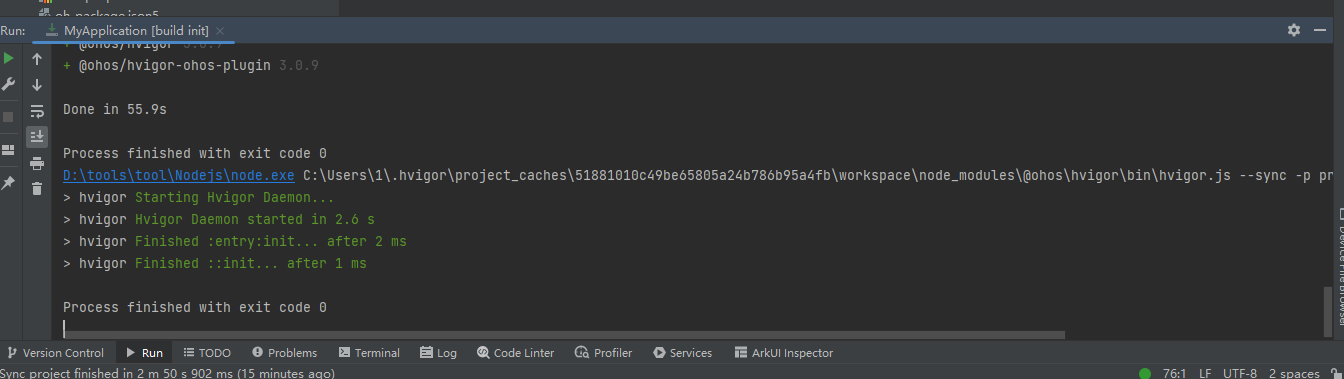
4)工程初始化界面如下:
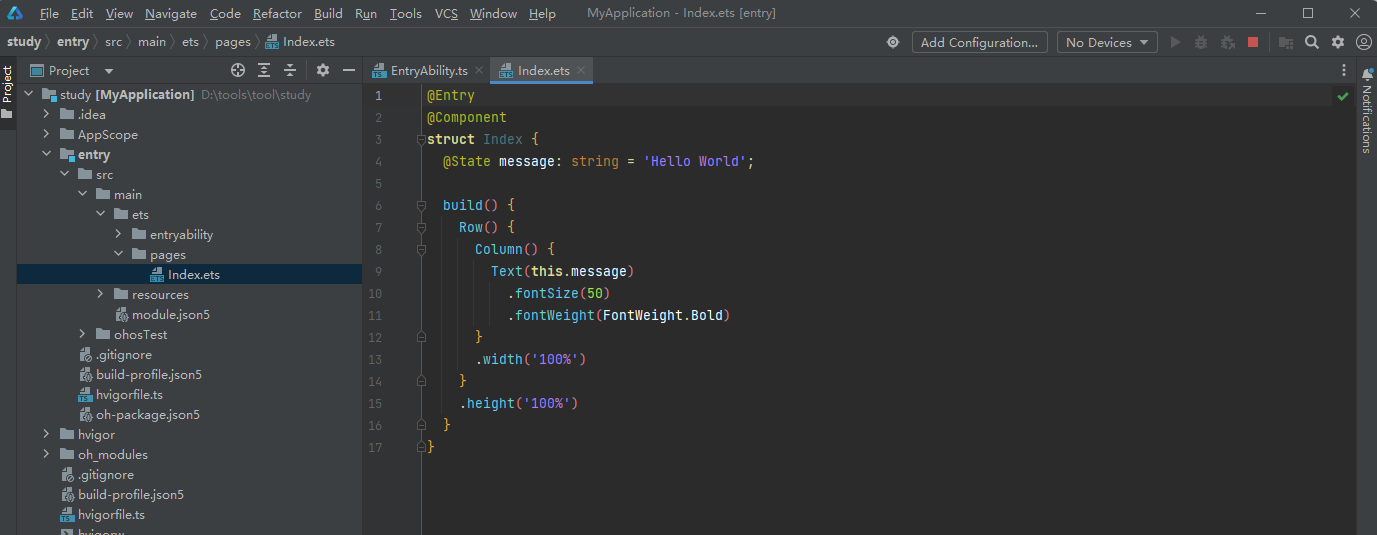
5)这里等一会,看到红色的运行提示结束,运行完毕后就是最终状态了
2. 构建第一个页面
1)使用文本组件
工程同步完成后,在“Project”窗口,点击“entry > src > main > ets > pages”,打开“Index.ets”文件,可以看到页面由Text组件组成。“Index.ets”文件的示例如下:
// Index.ets
   @Entry
   @Component
   struct Index {
   @State message: string = 'Hello World';

   build() {
      Row() {
         Column() {
         Text(this.message)
            .fontSize(50)
            .fontWeight(FontWeight.Bold)
         }
         .width('100%')
      }
      .height('100%')
   }
   }
2)添加按钮 在默认页面基础上,我们添加一个Button组件,作为按钮响应用户点击,从而实现跳转到另一个页面。“Index.ets”文件的示例如下:
// Index.ets
   @Entry
   @Component
   struct Index {
   @State message: string = 'Hello World';

   build() {
      Row() {
         Column() {
         Text(this.message)
            .fontSize(50)
            .fontWeight(FontWeight.Bold)
         // 添加按钮,以响应用户点击
         Button() {
            Text('Next')
               .fontSize(30)
               .fontWeight(FontWeight.Bold)
         }
         .type(ButtonType.Capsule)
         .margin({
            top: 20
         })
         .backgroundColor('#0D9FFB')
         .width('40%')
         .height('5%')
         }
         .width('100%')
      }
      .height('100%')
   }
   }
3)运行HarmonyOS应用可以使用远程模拟器和物理真机设备,区别在于使用远程模拟器运行应用不需要对应用进行签名。接下来将以物理真机设备为例,介绍HarmonyOS应用的运行方法:
①将搭载HarmonyOS系统的真机M4-R1与电脑通过双头USB线与OTG口连接(设备默认为调试模式)
②查看工具界面会显示连接设备M4-R1的序列号,如下:

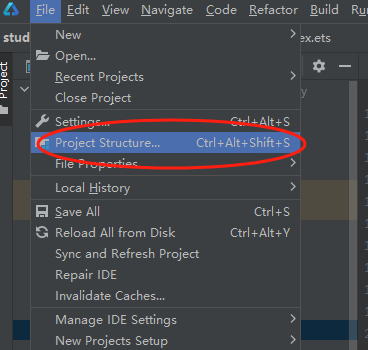
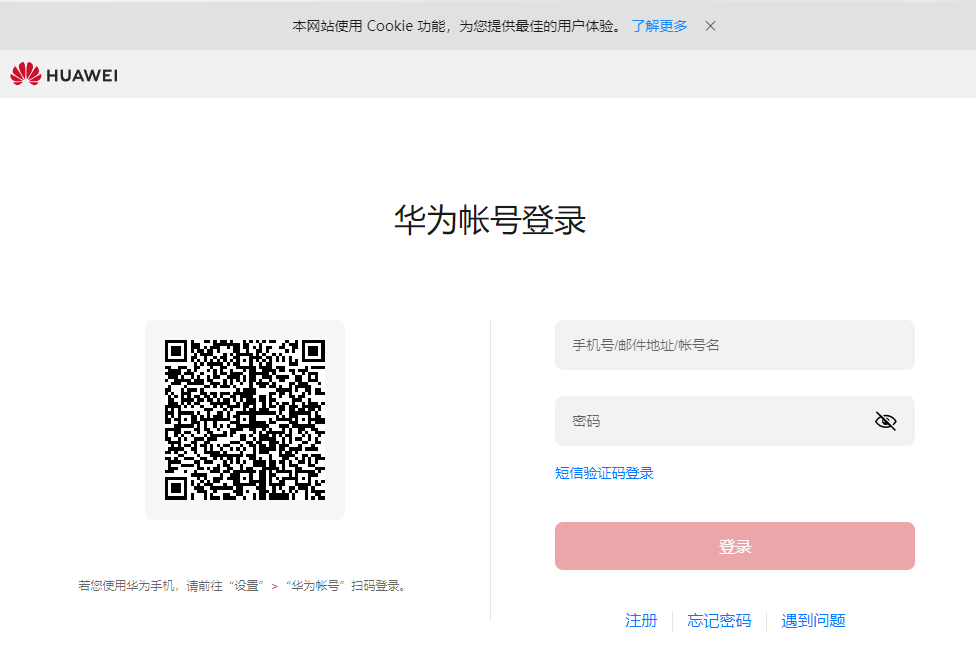
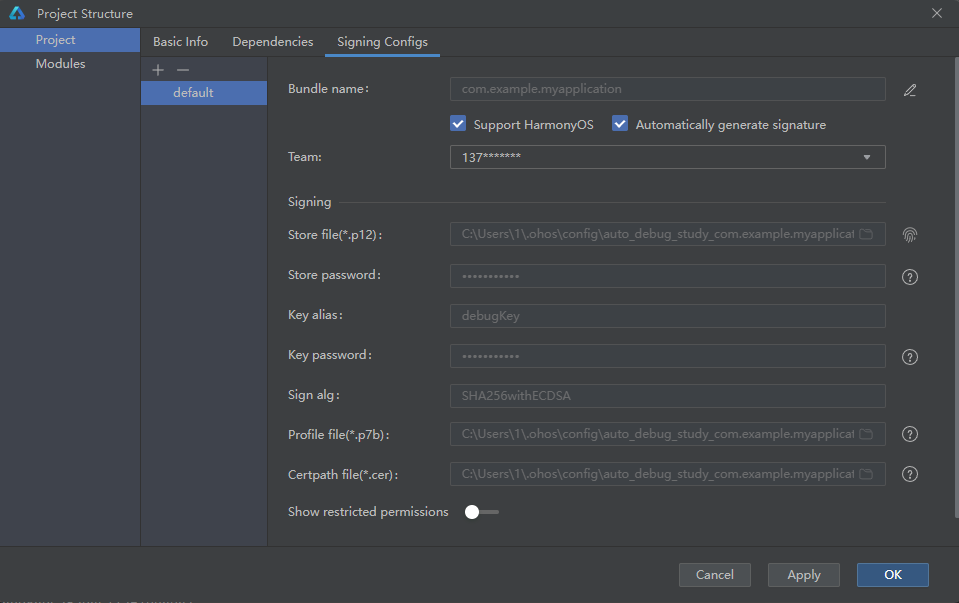
③系统签名:点击File > Project Structure… > Project > SigningConfigs界面勾选“Support HarmonyOS”和“Automatically generate signature”,点击界面提示的“Sign In”,使用华为帐号登录。等待自动签名完成后,点击“OK”即可。如下图所示:

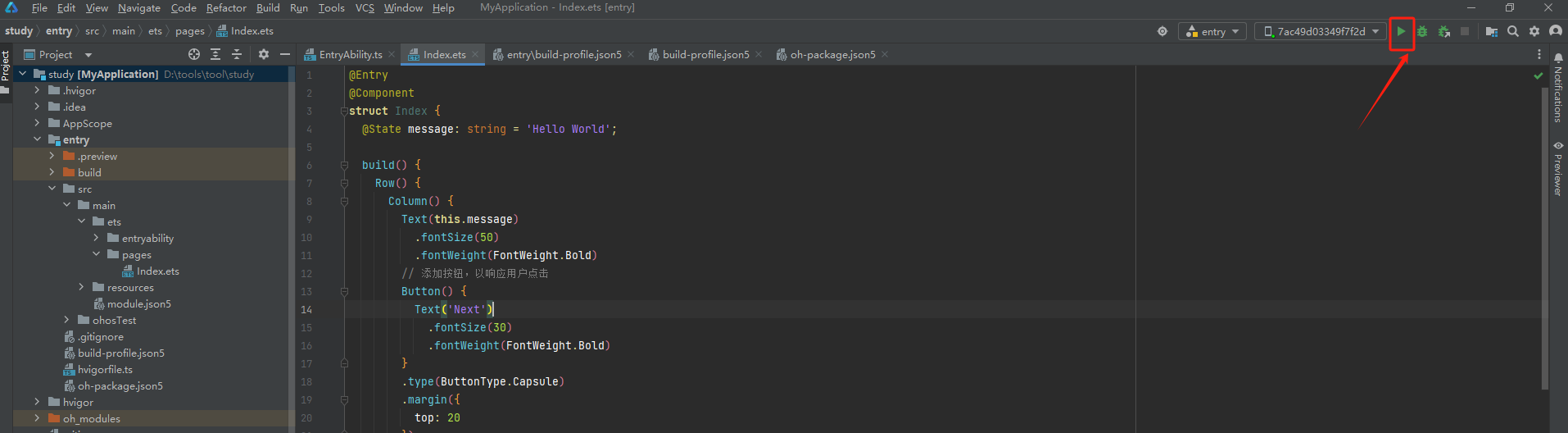
④在编辑窗口右上角的工具栏,点击  按钮运行。效果如下图所示:
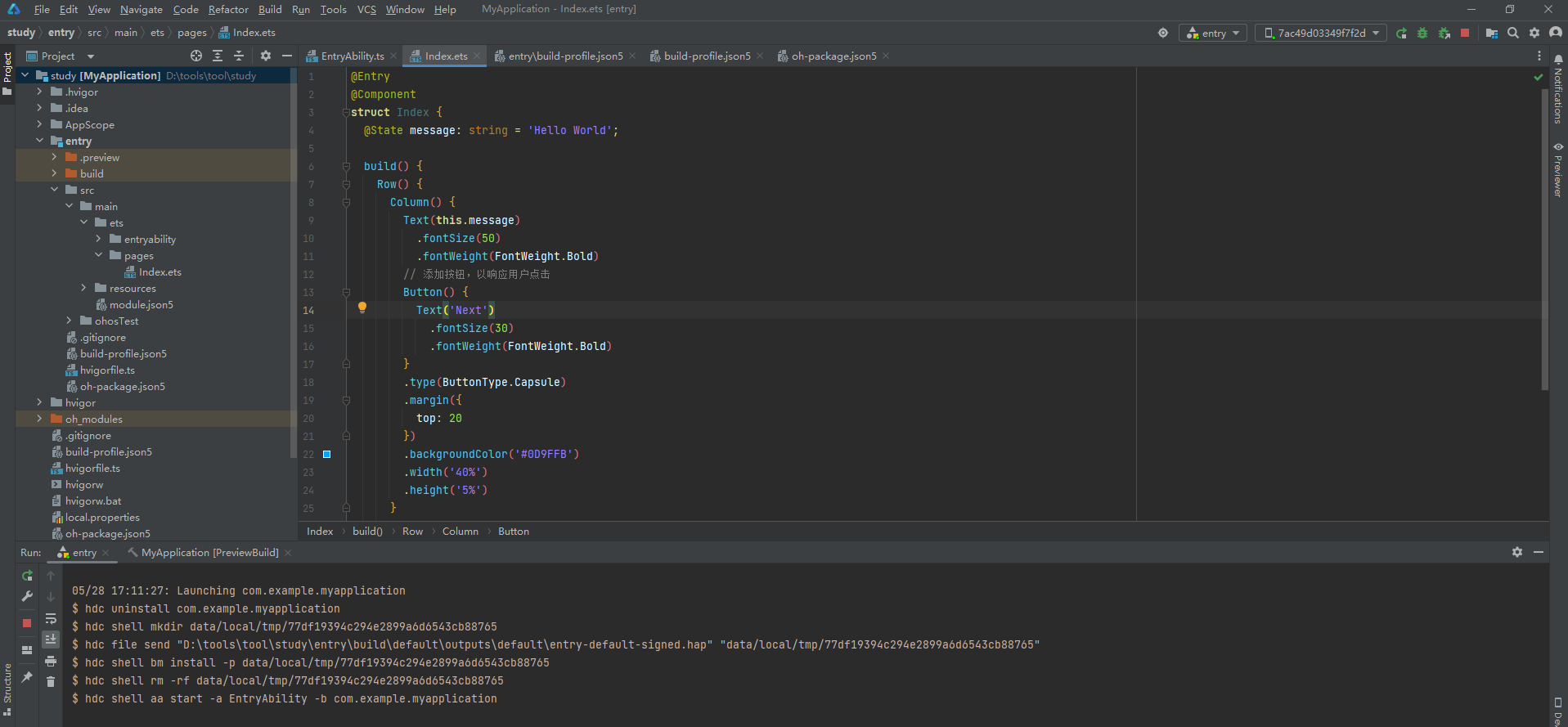
⑤等待运行结束后工具界面如下:
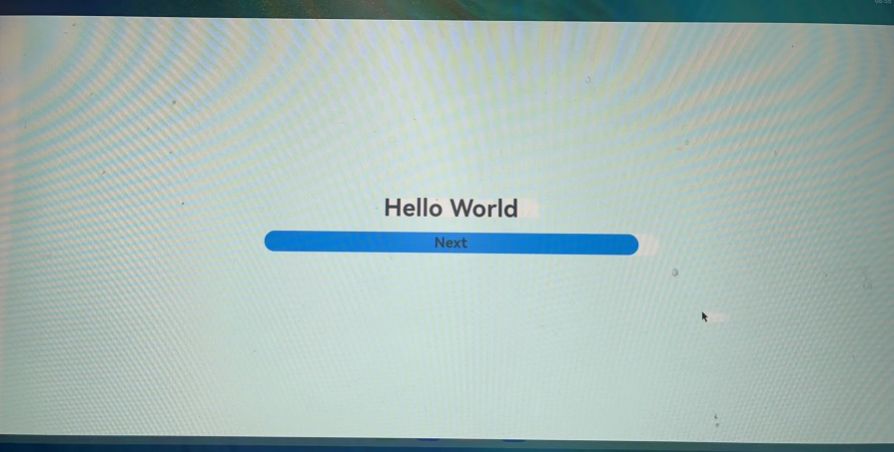
M4-R1 真机界面效果如下:
备注:
恭喜你已经使用ArkTS语言开发(Stage模型)完成第一个HarmonyOS应用,快来探索更多的HarmonyOS功能吧